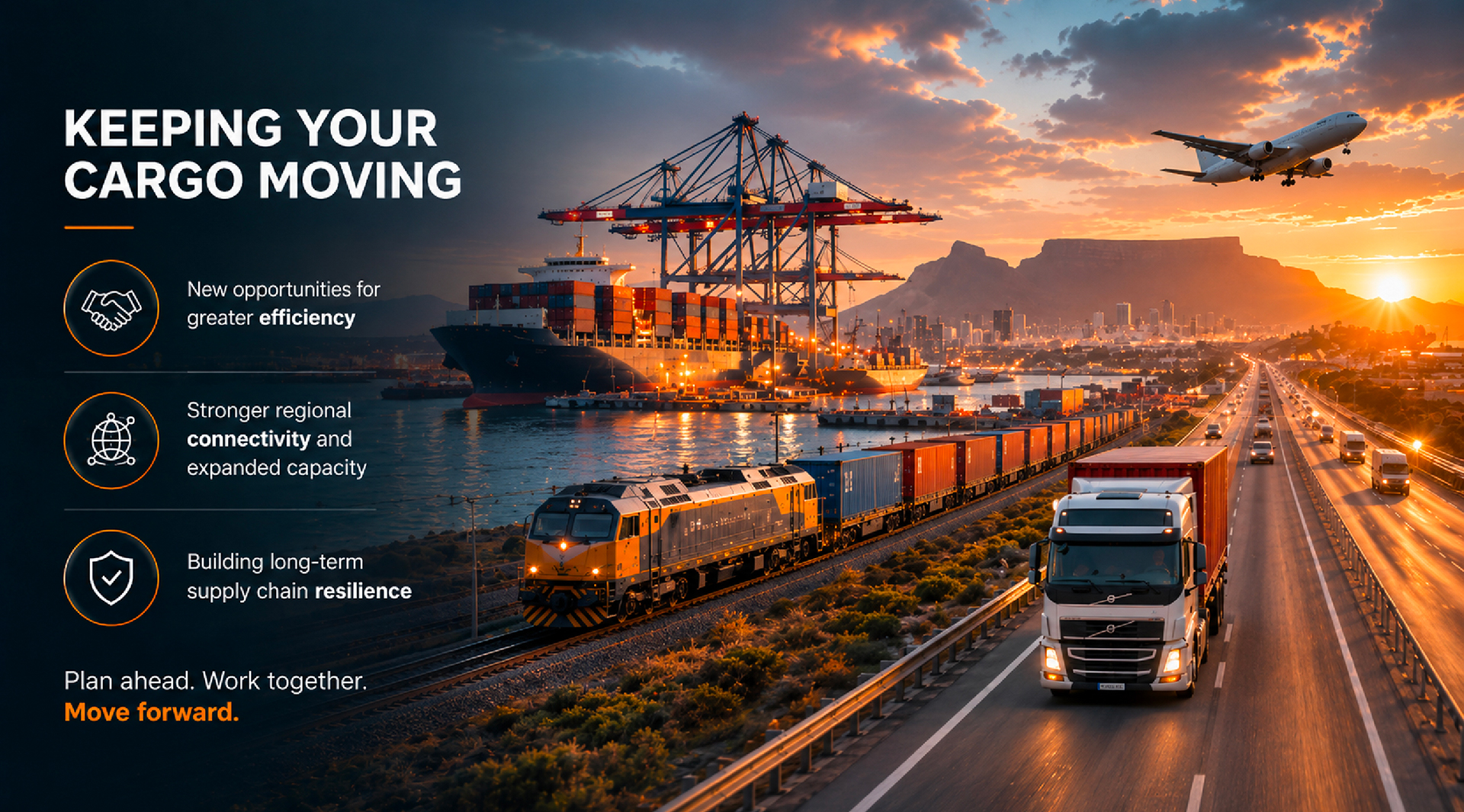
South Africa’s logistics outlook is improving structurally. Private rail access, port investment and new shipping services are all beginning to take shape. But the operating environment right now remains difficult: Durban disruptions, border delays, global shipping surcharges, fuel-security concerns and tighter customs enforcement are all adding cost, lead-time and compliance risk to the shipment in front of you.
This month, we look at what’s driving those pressures across sea, rail, road and air freight, what’s changing in customs, and why choosing the right Incoterm matters more than ever when something goes wrong.
As always, our approach doesn’t change with the conditions: clear communication, accurate documentation and realistic planning. Here’s what August means for your cargo.
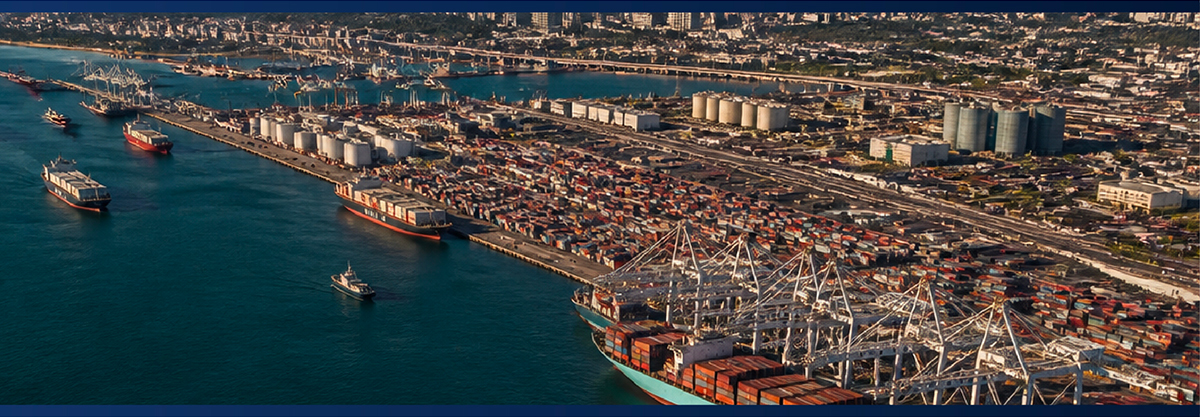

Durban congestion and global route disruptions are the two biggest sea freight risks this month. Both are adding cost and unpredictability to sailing schedules.
Durban Disruption Remains High
High berth congestion, vessels arriving outside their allocated windows and slow terminal operations are causing delays of five to seven days. Transporters are struggling to secure booking slots, particularly at Towers 205, 109, 202 and 203, while system outages and equipment failures are increasing container dwell times and truck turnaround times. Containers are often only collected from the terminal just before free time expires, resulting in additional demurrage charges being billed to importers.
Equipment failures and severe weather at Durban Gateway Terminal recently delayed a Maersk vessel long enough for the carrier to cancel its eastbound Port Louis call altogether.
The result for exporters and importers: less reliable sailing schedules, longer inventory cycles, possible storage and demurrage charges, and missed feeder connections. It’s also denting Durban’s competitiveness relative to Maputo, Walvis Bay and other regional ports.
Global Route Disruptions Are Raising Shipping Costs
Major carriers continue to avoid or limit use of Middle Eastern routes. Rerouting Asia–Europe vessels around the Cape of Good Hope adds around ten days to voyages, and the fuel and emergency surcharges involved are filtering through into sea, air and road freight pricing.
There’s an upside for South Africa in additional bunkering, ship-repair, provisioning and marine-service demand. The downside is that South African cargo owners also carry the higher fuel, vessel and insurance costs that come with longer international routes.
New Asia–South Africa Services Add Capacity
Evergreen has introduced a weekly Far East–South Africa service connecting Shanghai, Ningbo, Kaohsiung, Shekou and Singapore with Durban and Cape Town, including a direct Central China–Cape Town call and inland connectivity to destinations including Gaborone and Harare.
This improves access to Asian suppliers, adds carrier choice and supports manufactured exports – though the benefit will depend on whether South African terminals can maintain reliable berth and equipment productivity.
What This Means for Clients:
- Delays of five to seven days at Durban, with demurrage risk if containers aren’t collected before free time expires.
- Less predictable sailing schedules and possible missed feeder connections.
- Higher fuel, vessel and insurance costs on Cape-routed Asia–Europe services.
- Additional carrier choice and Far East routing options via the new Evergreen service.
Under the leadership of our CEO, Patrick Dürig, Natco continues to reflect the values that have shaped the business for three decades: professionalism, partnership, integrity and long-term commitment. Patrick’s leadership has helped carry forward a culture where service is personal, solutions are tailored and every client relationship matters.
A company does not reach 30 years by standing still. It reaches 30 years by adapting, improving, and staying close to its clients, its people and the market it serves. From Johannesburg to Durban, Cape Town and Port Elizabeth, Natco’s national footprint continues to support importers, exporters and project cargo clients with confidence and care.
As we celebrate this milestone, we also honour our management team, our staff members, our clients, our international partners and our service providers who have all formed an integral part of the Natco story.
Your trust, loyalty and dedication have helped build the company we are very proud of today.
If you have any questions about how current sea freight and port conditions may affect your shipments, please don’t hesitate to contact our team.
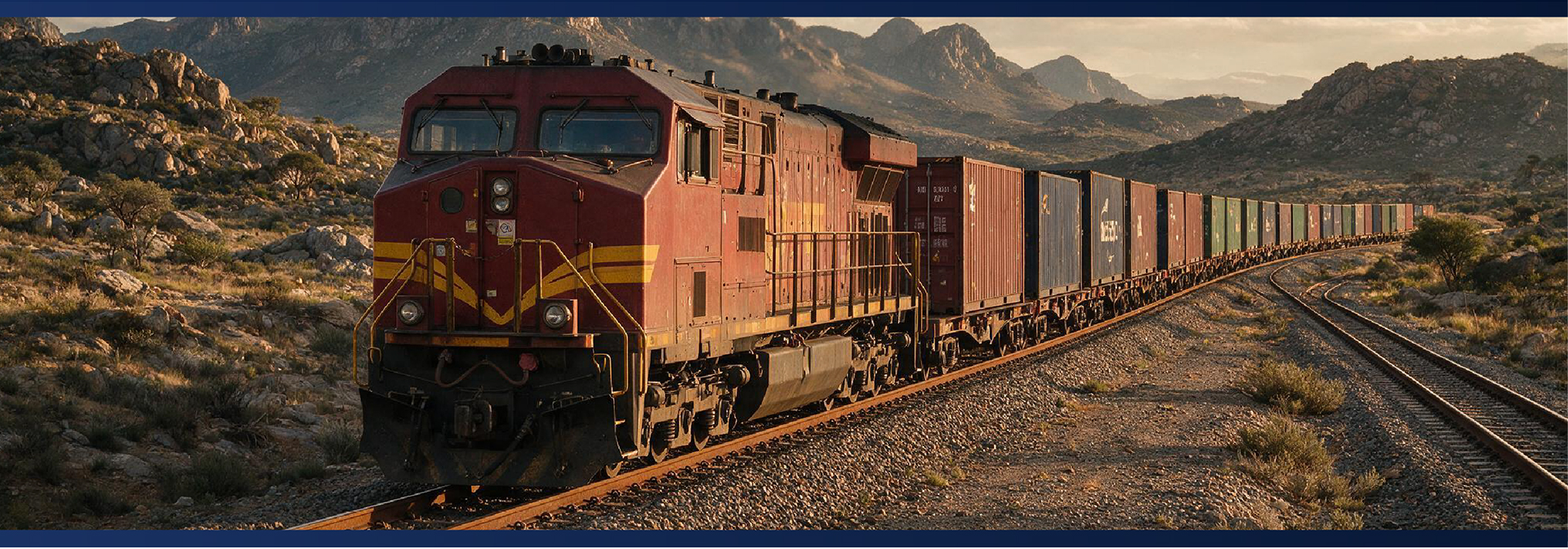

Private Rail Access Enters Implementation
Transnet has signed access agreements with 11 private rail operators across five key freight corridors. The move could add 24 million tonnes of capacity, rising to 52 million tonnes over five years, with services expected to begin from late 2026.
Greater rail capacity should reduce bulk-export costs, ease pressure on roads and improve mining and agricultural competitiveness. Implementation will be gradual, though – rail reform is expected to complement rather than replace road freight, through increased first-mile, last-mile and intermodal demand.

If you have any questions about how current sea freight and port conditions may affect your shipments, please don’t hesitate to contact our team.
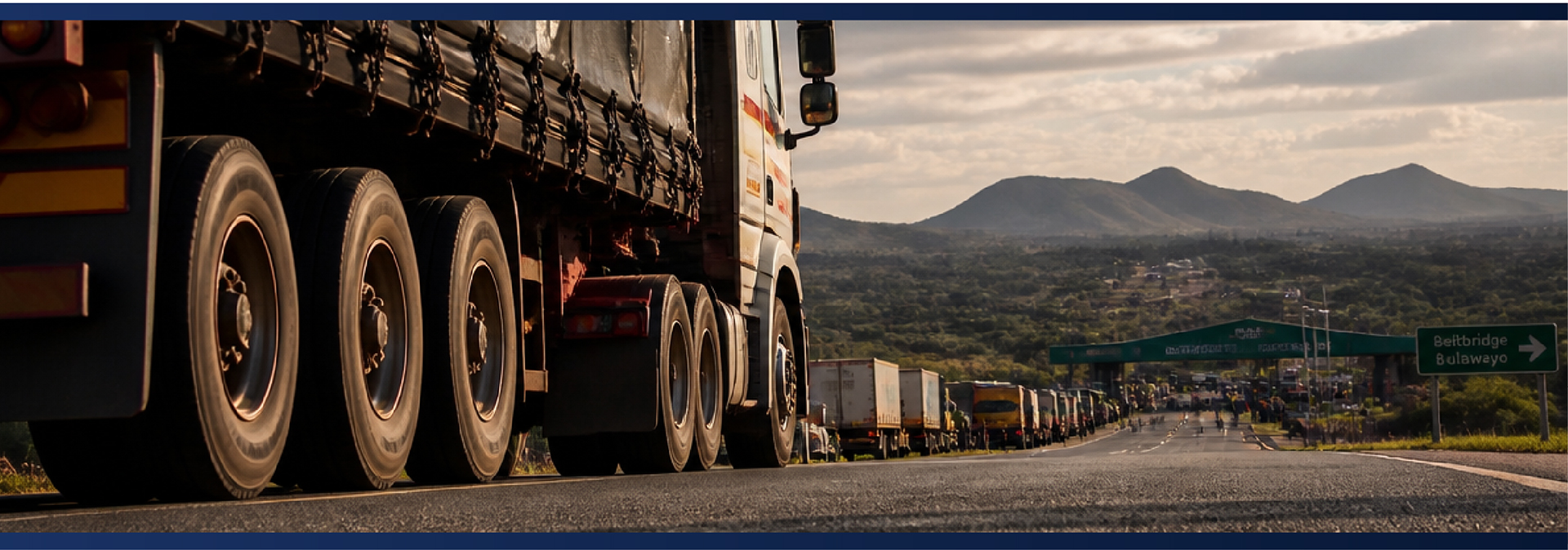

Border and Road Congestion Remain Significant Risks
Average Beitbridge crossing times have reached 46 hours, with some delays nearing four days. Congestion at alternative crossings is also limiting rerouting options, increasing fuel, security and vehicle costs while disrupting delivery schedules and port connections.
Road upgrades around Durban and SANRAL’s return to open maintenance tenders are positive developments. However, N3 construction, deteriorating roads, truck breakdowns and port congestion continue to weaken corridor reliability.
If you have any questions about how border or road conditions may affect your shipments, please don’t hesitate to contact our team.

Air Cargo Capacity Is Expanding
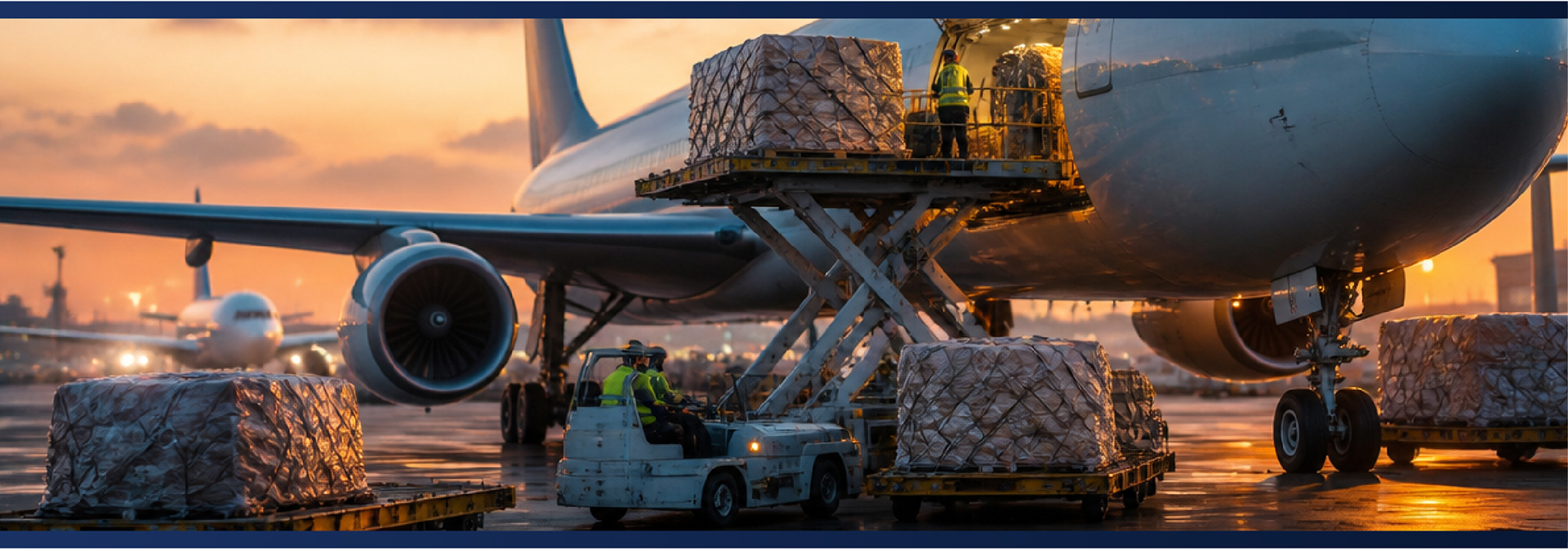
Astral Aviation has resumed twice-weekly Haikou–Johannesburg freighter services, supporting e-commerce, pharmaceuticals, automotive components and perishables. Dube TradePort recorded R531 million in exports, while a R5.7 billion cargo terminal is planned for OR Tambo.
These investments strengthen South Africa’s air-cargo capacity, although fuel costs, customs delays and handling constraints remain risks.
Fuel Logistics Face Supply and Compliance Pressures
South Africa has proposed compulsory fuel reserves of 21 days for industry and 60 days for the state, to improve supply security. Meanwhile, the detention of the MT Essien over customs and VAT issues could disrupt coastal fuel movements and aviation-fuel supply.
Fuel-security measures would strengthen resilience but add inventory-financing and storage costs for the petroleum industry. Any disruption to coastal shipping, pipelines or imported fuel flows can quickly raise road-freight, agricultural, mining and air-cargo costs.

If you have any questions about current airfreight capacity or fuel-related risks, please don’t hesitate to contact our team.


A wide-ranging set of customs and regulatory changes has taken effect or is underway. Here’s what matters most for your shipments.
Online Traveller Declarations
From 1 July 2026, travellers, drivers and crews entering or leaving South Africa must submit an online declaration, generally within 24 hours of departure.
Foreign Vehicles
Since 1 June 2026, foreign-registered vehicles must be declared through the SARS Traveller Management System. Temporary import permits may remain valid for six months.
SARS Queries
New standardised Customs and Excise mailboxes and escalation procedures apply from 1 July 2026. Forwarders should update contact details and retain original reference numbers.
Fuel Refunds
SARS has introduced a temporary manual refund and drawback process for qualifying imported fuel that is subsequently exported.
Restricted Goods
Additional timber, cable and electrical-product tariff headings now require closer permit and regulatory checks before shipment.
E-Commerce Enforcement
Authorities are increasing inspections of courier, postal and e-commerce cargo for counterfeit, unsafe and incorrectly declared goods.
Forced-Labour Controls
Proposed regulations will prohibit imports linked to forced or child labour, increasing supplier-traceability and due-diligence requirements.
China Preferences
Qualifying South African exports may benefit from China’s zero-tariff scheme, subject to certificates of origin and supporting records.
Industry Engagement
The South African Freight and Logistics Association now participates in SARS stakeholder forums, improving escalation of systemic customs issues.
If you have any questions about how these customs changes may affect your shipments, please don’t hesitate to contact our team.


Incoterms Decide Who Pays When Things Go Wrong, So Choose Wisely
A delayed shipment. Damaged cargo. Unexpected port charges. Missing insurance.
When problems arise, the Incoterm in your contract can determine:
- When risk transfers from seller to buyer
- Who arranges and pays for transport
- Who handles customs clearance
- Who is responsible for insurance
- Who bears certain costs when delays or disruptions occur
But Incoterms do not resolve every question of legal liability. They do not automatically determine ownership, payment terms, breach of contract, or liability for defective goods.
That’s why choosing an Incoterm should never be treated as a routine administrative decision. Before agreeing to EXW, FOB, CIF, DDP or any other rule, ask: where does the risk transfer, what costs are included, and can your business realistically manage the obligations?
The cheapest-looking option at quotation stage can become the most expensive when something goes wrong. Choose the Incoterm deliberately. Define it precisely. Name the agreed location. Align it with your insurance and contract terms – because in international trade, three letters can shift a significant amount of risk.
If you have any questions about how your Incoterms or cargo cover may affect your shipments, please don’t hesitate to contact our team.