
September is a month of cautious improvement rather than relief. Durban Gateway Terminal’s congestion has started to ease from the worst of the recent disruption, but reefer backlogs and vessel delays haven’t fully normalised – and new carrier surcharges mean the cost of moving cargo through Durban is climbing even as the queues shorten.
Further afield, instability around the Strait of Hormuz and the Red Sea continues to cloud routing and marine insurance decisions, while a fresh diesel price adjustment is pushing up the cost of every kilometre your cargo travels by road – from container cartage to cross-border runs through Kasumbalesa, Lebombo, Beitbridge, Chirundu and Kazungula.
As always, our approach doesn’t change with the conditions: clear communication, accurate documentation and realistic planning. Here’s what September means for your cargo.
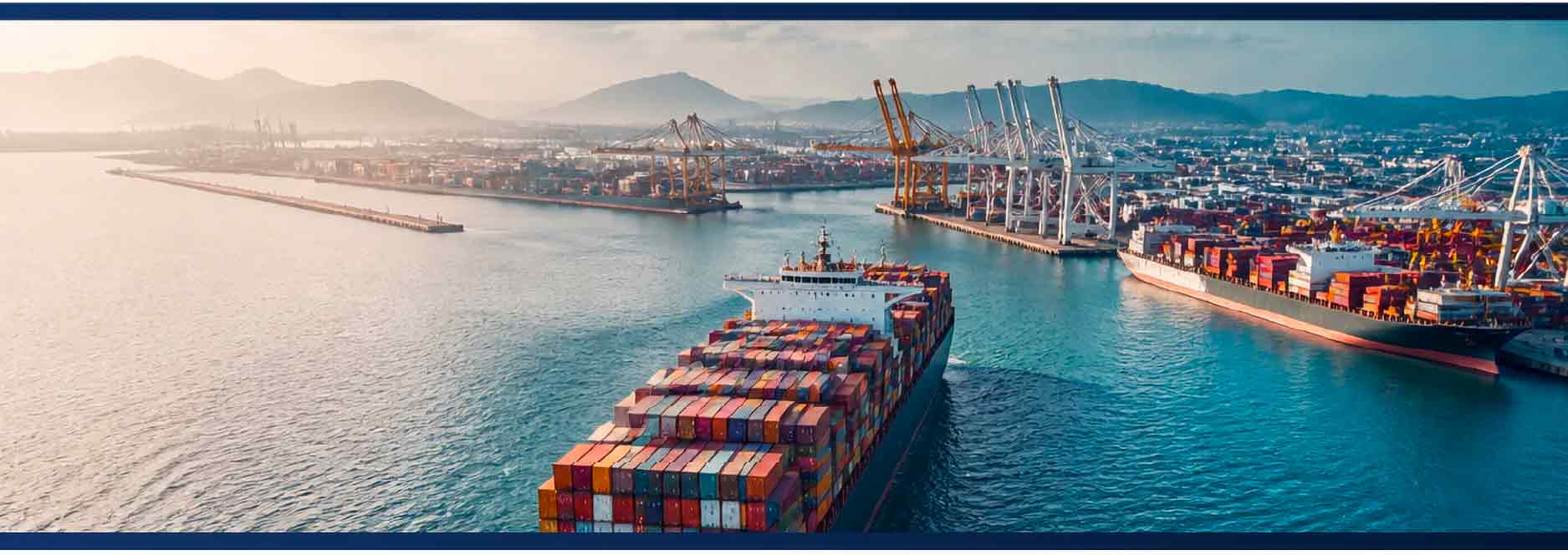

Durban is trending in the right direction, but new carrier surcharges and continued disruption across Asian and Middle Eastern gateways mean sea freight costs and schedule risk remain elevated this month.
Durban Congestion Easing, But Not Resolved
Durban Gateway Terminal remains the main local ocean-freight constraint. Delays reached approximately 8–12 days during the recent disruption, and while conditions have started to improve, reefer congestion and vessel delays have not yet fully normalised.
New Carrier Surcharges Add Cost
September also brings additional carrier costs. Maersk introduced a USD1,500 Emergency Contingency Surcharge on dry-container cargo from India, Bangladesh and Sri Lanka to South Africa from 10 September, followed by a Durban congestion fee of USD250 per 20-foot container and USD500 per 40-foot container from 15 September.
Asian Origin Congestion Remains a Concern
Asian origin congestion, weather disruption and vessel schedule changes remain a concern, particularly in China and India. Rollovers, port omissions, delayed transshipments and equipment shortages may continue to affect South African arrivals.
Global Port and Shipping Outlook
Several major global gateways remain congested, with some ports reporting delays of more than a week. Dalian, Toamasina, Abidjan, Shanghai, Dubai and Al Fujairah remain among the more heavily affected locations.
At the same time, instability around the Strait of Hormuz and the Red Sea continues to influence global shipping costs. While some Suez services are gradually returning, routing remains sensitive to security developments, fuel prices and carrier network changes. For South Africa, these disruptions can translate into higher freight rates, longer transit times and reduced schedule reliability.
Port Watchlist
| Port | Delay |
| Dalian Port, China | 17 days |
| Toamasina, Madagascar | 16 days |
| Abidjan, Côte d’Ivoire | 14 days |
| Shanghai, China | 9 days |
| Dubai, UAE | 9 days |
| Al Fujairah, UAE | 9 days |
| Beira, Mozambique | 8 days |
| Durban DGT, South Africa | 7–10 days |
| La Spezia, Italy | 7 days |
| Khor Fakkan, UAE | 7 days |
| Tema, Ghana | 6 days |
| Maputo, Mozambique | 6 days |
| Mombasa, Kenya | 5 days |
| Ningbo, China | 5 days |
September Global Risks
- Strait of Hormuz — fuel, insurance and shipping cost risk.
- Red Sea / Suez — routing remains unstable.
- Oil & diesel — higher bunker, air and road costs.
- Asia congestion — schedule and equipment disruption.
- US tariffs / EU CBAM — higher compliance and landed-cost risk.
What This Means for Clients:
- Durban delays are easing but reefer and vessel schedules haven’t fully normalised.
- New Maersk surcharges add up to USD1,500 per container on select origins, plus Durban congestion fees from 15 September.
- Watch-list ports such as Dalian, Toamasina and Abidjan may add a week or more to transit on affected routings.
- Strait of Hormuz and Red Sea instability continue to add cost and routing uncertainty to Asia–Europe and Middle East-linked cargo.

If you have any questions about how current sea freight and port conditions may affect your shipments, please don’t hesitate to contact our team.


Road transport costs are expected to increase following the September diesel adjustment. The impact will be felt across container cartage, line-haul transport, domestic distribution and cross-border movements.
Border Congestion Remains a Key Concern
Regional border congestion also remains a key concern. Kasumbalesa, Lebombo, Beitbridge, Chirundu and Kazungula continue to require additional transit planning, particularly for cargo moving into Mozambique, Zimbabwe, Zambia and the DRC. Longer border processing times are likely to continue affecting both cost and delivery performance.
Border Watchlist – Highest-Risk Crossings
- Kasumbalesa – border between Zambia and the DRC.
- Komatipoort / Lebombo – between Mozambique and South Africa.
- Beitbridge – between Zimbabwe and South Africa.
- Chirundu – between Zambia and Zimbabwe.
- Kazungula – border post where Zambia, Zimbabwe and Botswana meet.
Allow additional standing time on these routes and avoid committing to guaranteed transit times.
If you have any questions about how border or road conditions may affect your shipments, please don’t hesitate to contact our team.


South Africa’s airfreight market remains relatively steady, with OR Tambo handling approximately 6,717 tonnes per week. Volumes are slightly lower week-on-week but remain ahead of August 2025 levels.
Globally, stronger demand is being offset by elevated jet-fuel costs and tighter Middle East capacity. This continues to create pricing and routing volatility for South African cargo moving via hubs such as Dubai and Doha, particularly on Asia and Europe connections.

If you have any questions about current airfreight capacity or fuel-related risks, please don’t hesitate to contact our team.


Recent SARS tariff changes include higher sugar duties and provisional anti-dumping measures on selected coated steel products from China. Importers should ensure classifications and landed-cost calculations are reviewed before clearance.

If you have any questions about how these customs changes may affect your shipments, please don’t hesitate to contact our team.
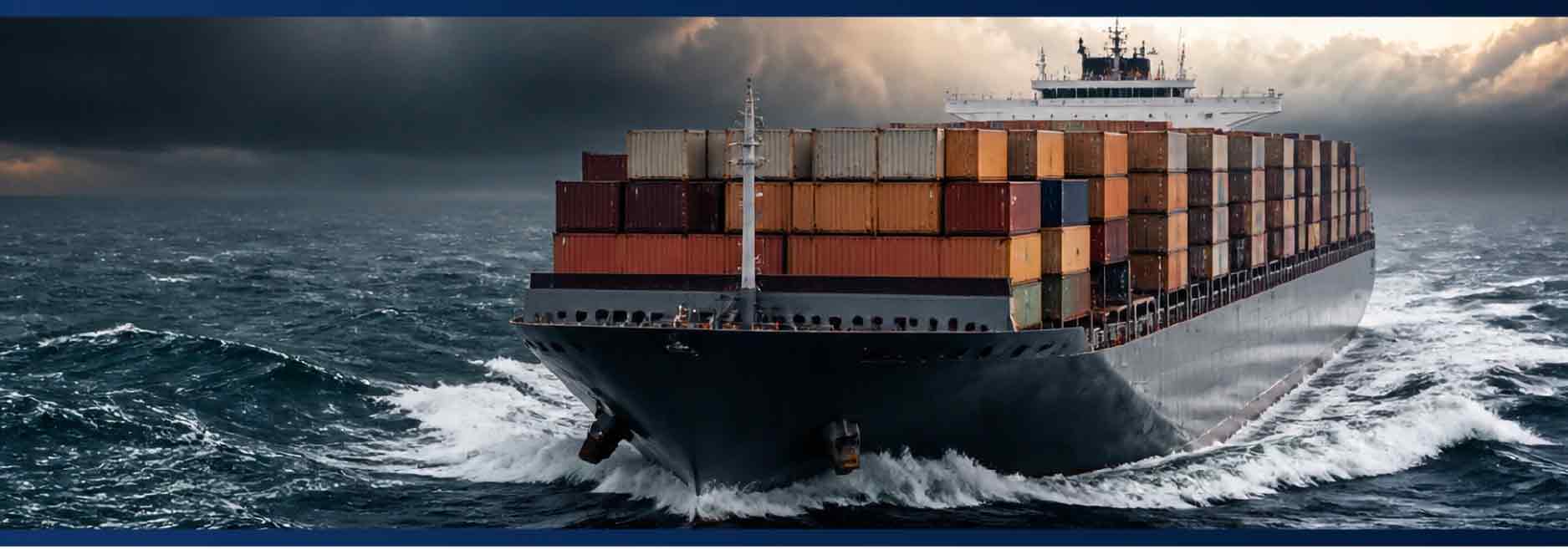

Marine insurance also remains sensitive to geopolitical risk in the Red Sea, Gulf of Aden, Persian Gulf and surrounding regions. Cargo moving through these areas may face additional premiums, exclusions or revised policy conditions.

If you have any questions about how current conditions may affect your cargo insurance, please don’t hesitate to contact our team.