


First update of 2026.ebruary arrives with a clear theme: the market is rebalancing, but volatility is far from over. Excess vessel capacity is driving ocean freight rates to multi-year lows, handing South African shippers real negotiating power – but that window will not stay open indefinitely. Post-Lunar New Year blank sailings have hit their highest volumes since the pandemic, with over 100 cancelled voyages on Asia-US lanes in February alone. Cape Town and Durban terminals continue to operate under pressure from wind stoppages and equipment constraints, and a raft of new AfCFTA tariff changes effective from 1 January 2026 demand immediate compliance attention.
In the air, demand is steady and rates are under pressure, creating a rare window of planning predictability – but capacity remains selective on key routes, and documentation errors remain the fastest route to a missed departure. On the insurance front, the cargo insurance market is softening globally, yet South African shippers face an escalating local threat: 420 trucks were hijacked in South Africa in a single quarter of 2025. Coverage gaps are closing in faster than most clients realise.
At NATCO, we’re using this window of lower costs and shifting trade patterns to lock in better terms and position our clients ahead of the next disruption cycle – because it’s how it gets there that makes the difference.


WEAK DEMAND AND EXCESS CAPACITY SHAPING 2026
Industry forecasts show ocean freight in 2026 entering the year with weak global demand and excess vessel capacity. Analysts expect this to keep downward pressure on freight rates and strengthen shippers’ contract negotiating positions, with carriers increasingly willing to offer more flexible terms to retain volume. The global containership orderbook sits at roughly one-third of the entire existing fleet – a capacity tsunami that is expected to weigh on carrier profitability through the decade.

POST-LUNAR NEW YEAR BLANK SAILINGS HIT RECORD LEVELS
February has seen some of the most aggressive capacity management in years. More than 100 voyages on Asia-US trade lanes were cancelled in February alone, with carriers withdrawing up to 60% of capacity on Pacific Southwest services and 50% on US East Coast routes. This post-Lunar New Year discipline is a calculated response to demand softness – carriers are determined to stabilise rates after a difficult start to the year. For shippers, the result is significant: severe cargo rolling, 2–4 day delays at major Chinese origin ports including Shanghai, Ningbo, Qingdao, and Nansha, and unpredictable ETAs across Transpacific lanes.
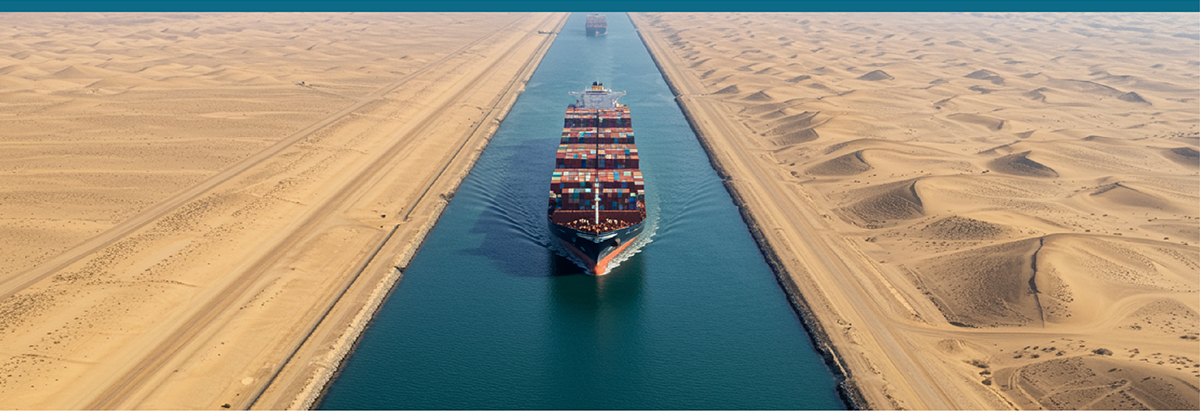
SUEZ CANAL RESUMPTION: SELECTIVE, CAUTIOUS, AND INCOMPLETE
Major carriers A.P. Moller-Maersk and Hapag-Lloyd are resuming select transits via the Red Sea and Suez Canal under their Gemini Cooperation (IMX/ME11) service, with naval escort protection in place. This marks the first structural resumption on the historic east-west corridor after more than two years of disruption. However, about half of multipurpose carriers remain unwilling to shift routes back through the Red Sea, and many vessels continue to route around the Cape of Good Hope. For South African ports, the sustained Cape routing continues to support elevated vessel traffic and bunkering demand – a dynamic that has driven port connectivity up 55% since the crisis began.

PORT DISRUPTION ALERT: FEBRUARY 2026 SNAPSHOT
Global sea freight operations remain deeply uneven as February’s post-Lunar New Year lull intersects with ongoing structural congestion and weather disruptions. Shippers should build meaningful buffer time into planning, particularly for China-origin cargo.
Durban, South Africa: Both Pier 1 and Pier 2 are experiencing 1–2 day waiting times as longer-term structural constraints persist. Equipment availability and berth scheduling remain the primary limiting factors.
China – Shanghai, Ningbo, Qingdao, Nansha: Severe rolling continues, with 2–4 day delays at all major origin gateways. Gate-in restrictions are causing containers to miss planned sailings at a rate not seen since peak pandemic disruption. Carriers are actively managing space, making early booking essential.
Cape Town, South Africa: Wind-related operational stoppages continue to cause delays of up to 2 days. The fruit export season is placing additional pressure on terminal capacity, though the new rubber-tyred gantry cranes – the so-called “red ladies” – are helping absorb peak volumes.
West Africa (Douala, Conakry, Lagos): Ongoing congestion and berth delays continue to extend vessel waiting times and slow container movement at several ports across the region.
Southeast Asia – Port Klang, Malaysia: 2–3 day delays driven by high berthing demand, adverse weather, and elevated feeder traffic in the post-Lunar New Year recovery period.
US East Coast – New York/New Jersey: Residual variability from earlier winter storms, with gradual normalisation underway. Moderate congestion persists at Los Angeles and Long Beach on the West Coast.


TRANSNET BOOSTS PORT PERFORMANCE WITH NEW MOORING UNITS
Transnet has deployed eight new hydraulic mooring units at Cape Town, Durban, and Ngqura container berths to help secure larger vessels in difficult weather conditions. The investment is part of a broader infrastructure push and is expected to reduce berth waiting times and improve throughput reliability at South Africa’s three main gateway ports. Combined with the new gantry cranes already operational at Cape Town, these improvements represent tangible progress – though the structural gap between SA port performance and global benchmarks remains significant.

ENVIRONMENTAL FACTORS RESHAPING COST MODELS
Decarbonisation continues to embed itself into shipping economics. From low-sulphur fuel requirements and carbon intensity rating (CII) compliance to FuelEU Maritime regulations coming into effect for European trade, environmental obligations are influencing vessel deployment decisions, fleet scrapping rates, and ultimately freight costs. The pace of change is accelerating, and shippers relying heavily on specific trade lanes should expect these costs to feature more explicitly in carrier pricing structures through 2026.
What You Need to Know:
- Possible schedule changes: Vessel delays and rolling may affect ETD and ETA reliability.
- Longer lead times recommended: Build buffer time into production and delivery planning.
- Documentation accuracy is critical: Any errors can amplify delays during congestion periods.
- Inland delivery may be impacted: Port congestion can extend container dwell times and affect truck availability.
Our Recommendation:
- Plan shipments as early as possible, especially from congested origin ports.
- Remain flexible on routing and transit times where alternatives are available.
- Engage with your NATCO forwarding team early for schedule checks and contingency planning. Monitor updates closely, as conditions may change rapidly.
If you have any questions about how current ocean freight conditions may affect your shipments, please don’t hesitate to contact our team.

STEADY GROWTH, SELECTIVE CAPACITY – A WINDOW FOR SMART PLANNING
Global air cargo demand is growing moderately, with the International Air Transport Association (IATA) projecting 2–3% growth in 2026. Early-year data confirms stable momentum rather than sharp seasonal spikes – a more balanced market than recent years, which supports more predictable planning for shippers. However, that predictability has limits. Capacity remains selective on key trade lanes, and yields are under pressure from fuel costs, routing adjustments, and the structural impact of e-commerce volumes shifting partly back to ocean freight following the end of US de minimis exemptions on Chinese imports.

POST-LUNAR NEW YEAR: DEMAND EASES, RATES UNDER PRESSURE
January air cargo demand was strong enough to dampen the typical Lunar New Year surge, signalling more balanced capacity utilisation heading into February. With Lunar New Year now behind us, demand has eased and downward rate pressure is expected on most lanes over the next two to three weeks. Carriers are managing capacity carefully, with FedEx and UPS both planning fleet adjustments, but the fundamentals remain supportive of moderate growth. Southeast Asia continues to outperform, with Singapore posting year-on-year gains driven by tariff-related pre-shipments ahead of US policy changes.
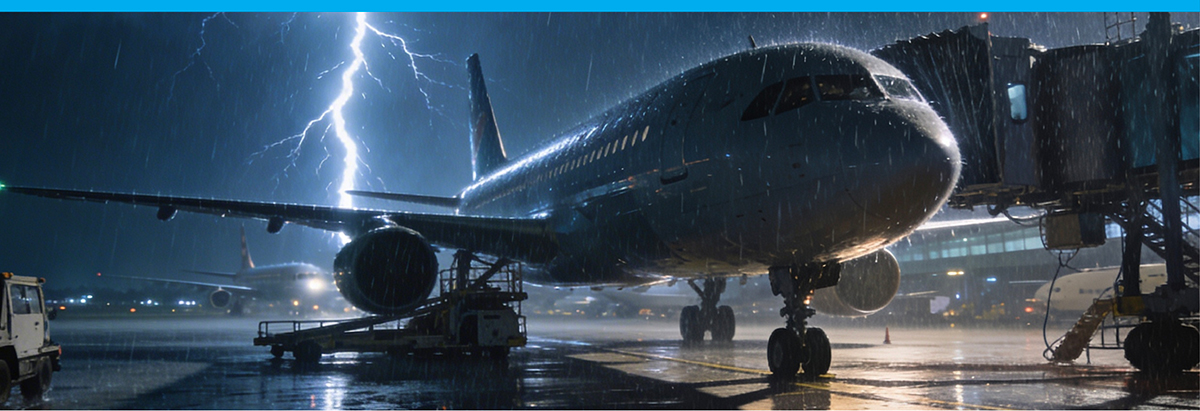
IATA FLAGS STRUCTURAL RISKS FOR 2026
Beyond the demand outlook, IATA has cautioned that several structural risks could affect airfreight reliability through 2026. These include regulatory fragmentation between trade blocs, climate-related disruptions to routing and schedules, cybersecurity threats to airport systems (Brussels Airport’s major cyberattack in late 2025 is a recent reminder of how quickly a single incident cascades across a network), and ongoing aircraft supply constraints from Boeing and Airbus. Any one of these risks can tighten capacity and spike rates with little notice, making proactive booking and contingency planning non-negotiable for time-sensitive cargo.
What You Need to Know:
- Airfreight demand is steady, not surging: Volumes are growing moderately, which supports more predictable planning but does not eliminate capacity constraints on key trade lanes.
- Capacity remains selective: Certain routes and peak departure days continue to experience tight space due to fleet availability and high aircraft utilisation.
- Pricing pressure continues: While yields remain under pressure, rates may still fluctuate due to fuel costs, routing changes, and short-term capacity shifts.
- External risks persist: Weather disruptions, regulatory changes, and global supply chain constraints can impact schedules and transit times with little notice.
- Documentation accuracy is critical: Errors can quickly cause delays or rollovers when capacity is tight.
Our Recommendation:
- Book airfreight early to secure space and preferred flight options, especially for time-sensitive cargo.
- Build flexibility into delivery timelines to accommodate potential schedule changes or route adjustments.
- Confirm cargo readiness and documentation upfront to avoid missed departures.
- Engage with us on capacity planning for regular or high-volume shipments to ensure consistency.
- Review routing and service options where alternative gateways or transit solutions may reduce risk.
If you have any questions about current airfreight market conditions or how they may affect your shipments, please don’t hesitate to contact our team.

AfCFTA PHASE-DOWN TAKES EFFECT: ARE YOU READY?
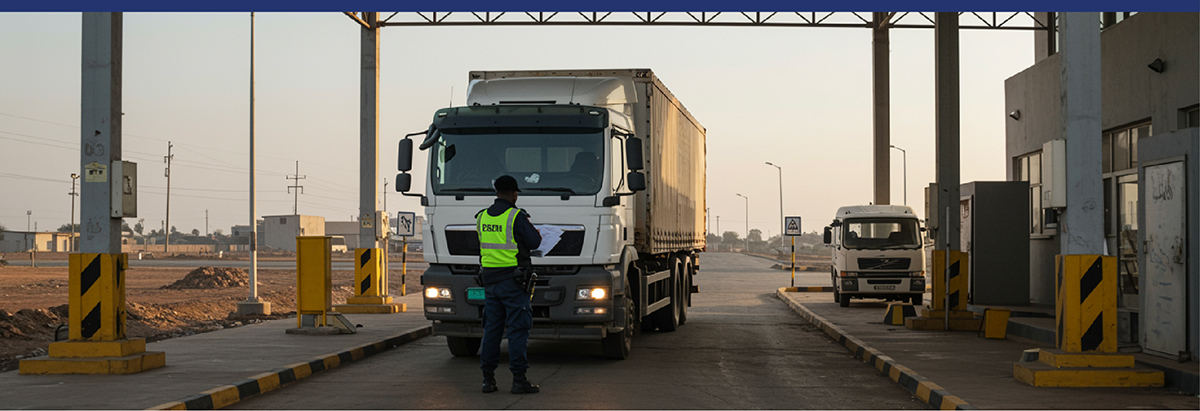
From 1 January 2026, a 122-page schedule of revised customs duties came into effect in South Africa under the AfCFTA Phase-Down Agreement. This is not a minor technical update – it rewrites Part 1 of Schedule No. 1 to the Customs and Excise Act and touches goods across Chapters 29, 38, 68, 70, 74, and 83, covering organic chemicals, glass, copper, base metals, and specialised tools. For businesses importing or exporting in these categories to and from AfCFTA partner countries (currently Algeria, Cameroon, Egypt, Ghana, Kenya, Nigeria, Rwanda, and Tunisia), the potential duty savings are real and significant. Nigeria was added as a trading partner with retrospective effect from May 2025.
But the savings are not automatic. SARS is applying strict scrutiny to Rules of Origin compliance – if your goods do not meet the origin criteria, standard duties still apply and SARS has made clear it will not relax that standard. Safeguard measures have also been embedded in the new Schedule No. 2, meaning temporary protective duties remain available to government if import surges threaten local industries. From November 2025, AfCFTA exporter and producer registration is now digital through the SARS RLA system – but traders must be registered before they can claim preferential rates.

SARS DOCUMENTATION ENFORCEMENT TIGHTENING
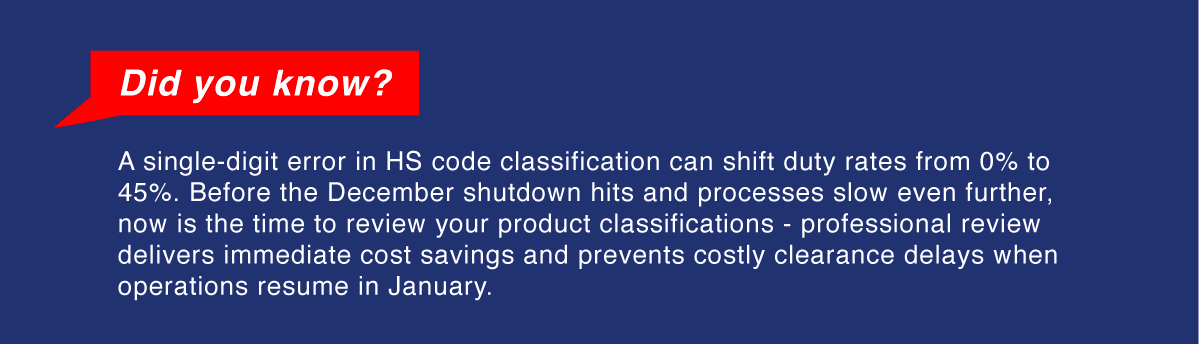
South African customs authorities are continuing to tighten enforcement on documentation accuracy and electronic declarations. Commercial invoices, packing lists, HS codes, declared values, and consignee details must match exactly across all documents and eDeclarations. Discrepancies – even minor ones – are increasingly triggering physical inspections and clearance delays. SARS has also introduced additional import controls on nitrogenous fertilisers and related chemical products, requiring specific Border Management Authority processing procedures.
We recommend pre-submission document checks and early engagement with our customs team on all complex shipments. An hour of preparation at origin saves days of delay at the border.


SOUTH AFRICA’S CARGO THEFT SURGE: A STRATEGIC RISK, NOT JUST A LOSS EVENT
South Africa’s transport and logistics sector is facing a cargo theft crisis that has moved well beyond individual incidents. SAPS crime statistics show 420 trucks were hijacked in South Africa in Q2 2025 alone. Over an 18-month period to mid-2022, losses totalled approximately R577 million across all nine provinces – and those figures have been trending upward as organised criminal syndicates have adapted to include cyber intrusion and insider knowledge in their methods. The rapid growth of South Africa’s e-commerce sector (expected to exceed R100 billion in 2026) has created a high-value target environment on roads across all provinces.
The consequences extend beyond the immediate loss. Businesses face higher premiums, supply chain delays, contractual penalties, and reputational damage. For drivers, hijackings frequently involve serious physical harm. And standard cargo policies that cover only the value of goods may leave significant exposure on recovery costs, business interruption, and cyber-related losses.

MARINE INSURANCE MARKET UPDATE: SOFTER RATES, HARDER QUESTIONS
Globally, the marine cargo insurance market is softening in 2026 – new Lloyd’s capacity, increased competition from MGAs, and improved loss records are driving more buyer-friendly pricing and broader coverage terms on most lanes. For South African importers and exporters, this is a genuine opportunity to negotiate better policy deductibles and extended coverage terms on renewals.
However, the soft market comes with a catch: insurers are intensifying scrutiny on war risk exposure and geopolitical exclusions, particularly for trade lanes that pass through or near the Red Sea. As Maersk and Hapag-Lloyd resume partial Suez Canal transits, policies written under full Cape-routing assumptions may no longer reflect actual routing. Any changes to carrier routing should prompt an immediate policy review. Insurers are also scrutinising cargo descriptions, declared values, and transhipment routes more carefully – incomplete or incorrect information can result in reduced claim settlements or outright repudiation, regardless of how long a client relationship exists.
For the South African context specifically, Aon’s local marine division has identified weather-related claims as the highest average-value claim category in the local market – a trend driven by climate volatility and seasonal storm patterns affecting Cape Town in particular. Policies should explicitly account for extended transit times, port congestion, and inland exposure.