November brings encouraging developments across South Africa’s logistics landscape. Cape Town Container Terminal gears up for a bumper deciduous fruit season with R4 billion in infrastructure investments and wind-resistant equipment. Road freight operators welcome significant fuel price relief – though costs remain 21% higher than last year – as South Africa’s warehousing sector enters a golden era, driven by explosive e-commerce growth and sustainable infrastructure.
Yet challenges persist. The Durban-Gauteng freight corridor remains under severe strain, with less than 14% of freight moving by rail against a 50% national target. The ambitious R50 billion Port of Gauteng project promises relief by 2027, but immediate pressures mount as e-commerce giants scale operations.
As December’s festive slowdown approaches, South African logistics must balance current operational gains against persistent infrastructure gaps. At NATCO, we’re navigating these local realities to keep your cargo moving efficiently – because it’s how it gets there that makes the difference.


Cape Town terminal prepares for record fruit export season
Transnet has confirmed the Cape Town Container Terminal’s readiness for the deciduous fruit season, which runs from November 2025 through March 2026. The season is forecast to deliver a 3% increase in exports of table grapes, pomegranates, stone fruits, berries, apples, and pears—critical for Western Cape producers accessing international markets.
The terminal’s confidence stems from substantial infrastructure investment. In the 2025/2026 financial year, Transnet Port Terminals plans to spend R4 billion across five terminals in KwaZulu-Natal, Western Cape, and Eastern Cape. Cape Town specifically received 28 brand-new rubber-tyred gantry cranes, with nine already operational, nine nearing commissioning, and ten being assembled.
The new equipment boasts anti-sway technology and diesel-electric hybrid engines – addressing Cape Town’s longstanding wind challenges. “We are approaching this season with confidence following recent investments in new equipment,” said Western Cape Terminals Managing Executive Oscar Borchards. “These newer machines are more resistant to wind which has been a challenge for us over the years.”
To manage peak periods, the terminal will work synergistically with the Cape Town Multipurpose Terminal, redirecting smaller vessels to reduce congestion. The Western Cape accounts for approximately 80% of South Africa’s deciduous fruit exports, making efficient port handling essential for maintaining product quality and market competitiveness.
Container Shipping Overcapacity: Silver Lining for Shippers
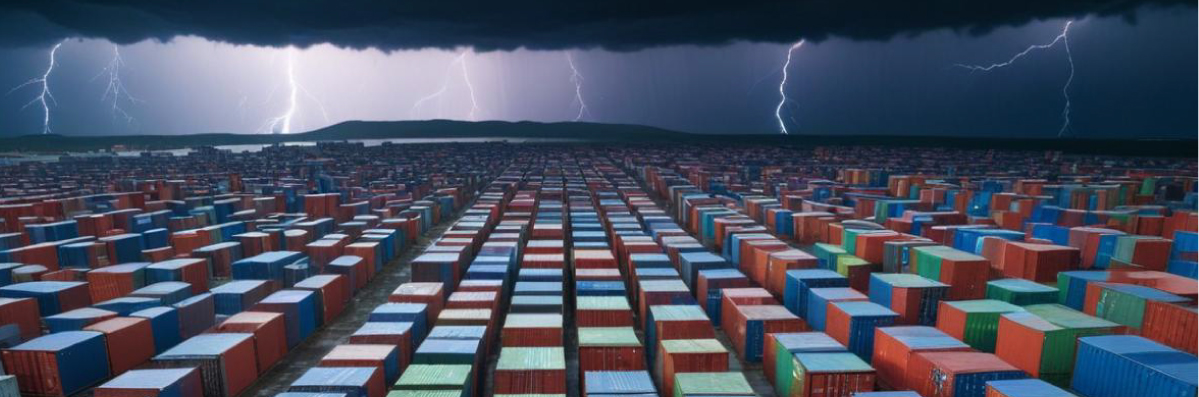
The global containership orderbook has reached 10.4 million TEU – roughly one-third of the entire fleet. This massive expansion, triggered by Red Sea disruptions and Cape routing demands, is creating a capacity tsunami through 2030.
For South African shippers, this translates to significantly lower freight rates as carriers battle for market share. The pendulum is swinging decisively from carrier power to shipper leverage – a multi-year opportunity for cost optimisation.


Mixed Signals in Air Cargo: Volume Growth, Rate Pressure
Global air cargo demand rose 2.9% in September compared to 2024 levels, marking the seventh consecutive month of growth. However, spot rates fell 3% year-on-year to $2.58 per kg—the sixth consecutive monthly decline—as capacity expansion outpaces demand growth.
African airlines posted the strongest regional performance with 14.7% year-on-year demand growth, though from a smaller base. The disconnect between volume growth and falling rates creates a favourable pricing environment for shippers, but service reliability and capacity access during peak periods remain critical considerations beyond price alone.

Local Freight Volumes Show Weakness
According to the South African Association of Freight Forwarders’ latest Supply Chain Movement Report, container numbers are down 14% and air cargo volumes down 4% – reflecting broader economic headwinds affecting trade flows. These figures underscore the importance of operational efficiency and cost management as volumes soften.

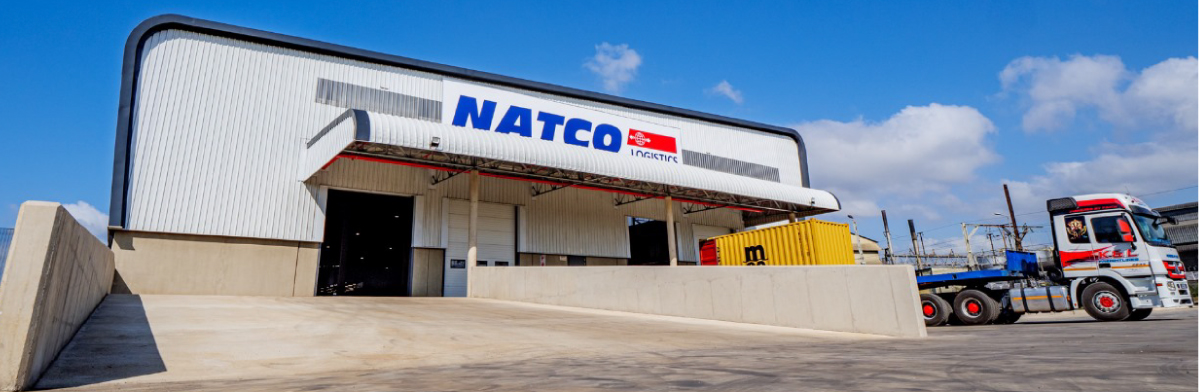
Warehousing Sector Enters Golden Era on E-Commerce Boom
South Africa’s warehousing industry is experiencing transformative growth, with the market projected to reach $22.1 billion by 2030 – a compound annual growth rate of 7.3% between 2025 and 2030. This expansion significantly outpaces traditional economic growth forecasts and is fundamentally reshaping the country’s logistics landscape.
Warehouse occupancy across Africa hit 83% in the first half of 2025, with e-commerce serving as the primary demand driver. This high occupancy rate signals tight supply and suggests significant opportunities for new warehouse development in strategic locations.
Sustainability is becoming a defining characteristic of new warehouse construction. Over 30% of new warehouse space developed in Q3 2024 includes solar-powered infrastructure, highlighting a pivot toward greener supply chains that reduce operating costs while meeting environmental commitments. This trend reflects both load-shedding mitigation and forward-thinking sustainability planning. With our new warehouse facility in Durban we are mirroring this growth trend.
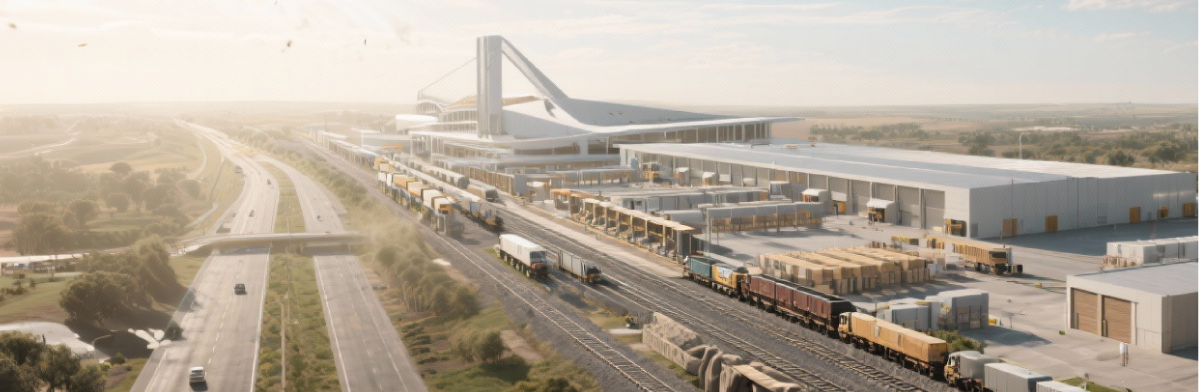
R50 Billion Port of Gauteng Project Gains Industry Support
Industry leaders have welcomed NT55 Investments’ ambitious R50 billion Port of Gauteng project, which aims to transform the congested Durban-Gauteng freight corridor by creating a world-class inland logistics hub by 2027.
The facility, to be built in south-eastern Johannesburg at the junction of the Container Rail Corridor and the N3, N12, and N17 highways, targets a fundamental imbalance: less than 14% of freight between Durban and Johannesburg currently moves by rail, far below the National Development Plan’s 50% target.
The port will feature two 2.2-km flat rail alignments, direct train-to-truck transfers, and capacity for 2.8 million units initially, expandable to 11.2 million annually. The project promises 50,000 permanent jobs and three-hour train turnarounds – addressing chronic congestion on the N3 and inefficiencies at port terminals.
Road Freight Association CEO Gavin Kelly called it “a pivotal opportunity to address the systemic inefficiencies crippling South Africa’s economic arteries.” Grain SA CEO Tobias Doyer said it offers “vital relief at a critical time when the agricultural logistics system is under severe strain.”
However, success depends on complementary infrastructure improvements, including port efficiency gains and rail network rehabilitation – areas where decades of underinvestment have created the current crisis.

Fuel Price Relief Eases Road Freight Pressure
The Road Freight Association has welcomed November’s diesel price decreases – 21 cents per litre for 500ppm diesel and 19 cents for 50ppm – as road freight operators finally see some relief after months of crippling fuel costs.
Fuel represented 41% of daily operating costs during Q3 2025 and should now drop below 40% – providing much-needed cash flow relief for transporters. For a truck with two 500-litre fuel tanks, each complete refuel now costs R820 less, and when multiplied across fleets and trips, the savings compound significantly.
The decreases, driven by a stronger rand averaging R17.29 to the US dollar, will gradually flow through supply chains, with consumer price relief following as transport contracts adjust. While this is positive news heading into the festive season, the logistics sector still operates under considerable cost pressure compared to historical norms.


Navigating South Africa’s Festive Season Logistics Freeze
December brings the inevitable slowdown as South Africa enters its traditional festive season shutdown period. While retail and entertainment sectors gear up for their busiest weeks, most other businesses resemble ghost towns during the final week of December and the first week of January.
Logistics Implications:
- Port Operations: Expect reduced operating hours and skeleton crews. Container dwell times increase as clearance processes slow.
- Road Freight: Major highways like the N3 experience heavy holiday traffic as families travel. Truck movements face delays and reduced scheduling flexibility.
- Customs Clearance: SARS and customs operations slow significantly. Documents requiring physical signatures or inspections face extended processing times.
- Warehousing: Third-party logistics providers operate with reduced staff. Pick, pack, and dispatch operations extend from hours to days.
- Air Cargo: Reduced frequencies on international routes as airlines optimize for passenger demand rather than cargo capacity.
Strategic Recommendations:
- Advance Planning: Book space and confirm orders by early December. Don’t assume “normal” lead times will apply.
- Buffer Stock: Build inventory buffers for critical components or products needed in January. The cost of holding extra stock is minimal compared to production stoppages or lost sales.
- Communication: Set clear expectations with customers and suppliers about December timelines. Transparency prevents frustration and disputes.
- Alternative Routing: Consider expedited air freight for truly time-critical shipments that cannot wait for the January restart.
- Documentation: Complete all customs paperwork, compliance certificates, and regulatory approvals before mid-December. Waiting until the shutdown clears is a recipe for February delivery.
The December shutdown is unavoidable – but with proper planning, it becomes manageable rather than catastrophic. The question isn’t whether operations will slow; it’s whether you’ve prepared adequately to minimize the impact on your supply chain.